Creating a home studio is an exciting venture for any music enthusiast, whether you’re a budding artist or a seasoned producer. With the right instruments, you can transform your space into a creative haven that inspires and facilitates your musical journey. At melodyform.com, we understand the importance of having quality musical equipment at your fingertips. Here’s a step-by-step guide to the top ten essential instruments you need for your home studio.
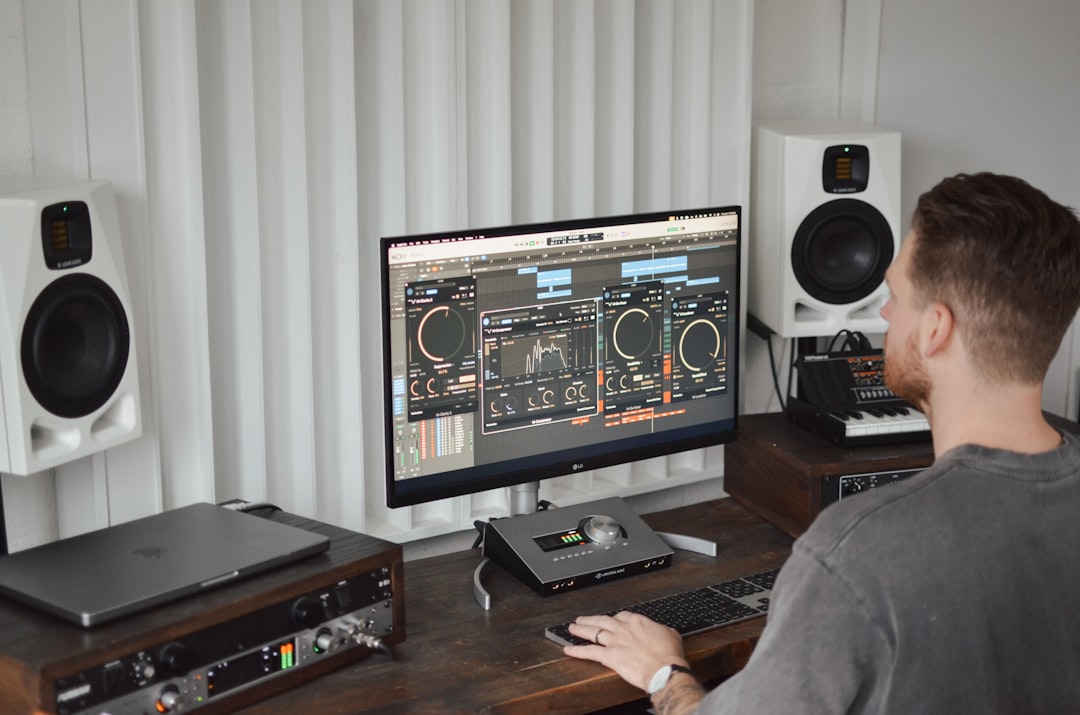
1. **Digital Audio Workstation (DAW)**: The backbone of your home studio is a reliable DAW. This software allows you to record, edit, and produce music. Popular options include Ableton Live, Logic Pro, and FL Studio. Choose one that suits your workflow and musical style.
2. **Audio Interface**: An audio interface is crucial for connecting your instruments and microphones to your computer. It converts analog signals into digital data, ensuring high-quality sound. Look for interfaces with multiple inputs and outputs to accommodate various instruments.
3. **Studio Monitors**: Accurate sound reproduction is vital for mixing and mastering your tracks. Invest in a pair of studio monitors that provide a flat frequency response. Brands like KRK, Yamaha, and JBL offer excellent options for home studios.
4. **Microphone**: A good microphone is essential for recording vocals and instruments. Consider a condenser microphone for vocals and acoustic instruments, while dynamic microphones are great for live performances and louder sources. The Shure SM58 and Audio-Technica AT2020 are popular choices.
5. **MIDI Controller**: A MIDI controller allows you to play and control virtual instruments in your DAW. It can be a keyboard, pad controller, or even a guitar interface. Look for one that feels comfortable and has the features you need, such as velocity sensitivity and assignable knobs.
6. **Headphones**: Quality headphones are necessary for monitoring your mixes without disturbing others. Closed-back headphones are ideal for tracking, while open-back models are better for mixing. Brands like Audio-Technica and Sennheiser offer great options.
7. **Acoustic Treatment**: To achieve the best sound quality, consider adding acoustic treatment to your studio. This can include foam panels, bass traps, and diffusers to minimize sound reflections and improve clarity. You can find affordable options online or even DIY your own.
8. **Instruments**: Depending on your musical style, you may want to include various instruments in your studio. A versatile keyboard or synthesizer can open up a world of sound design possibilities. Guitars, basses, and percussion instruments can also add depth to your recordings.
9. **Recording Software Plugins**: Enhance your DAW with plugins that offer virtual instruments, effects, and sound libraries. Look for both free and paid options that suit your needs. Popular plugin developers include Waves, Native Instruments, and iZotope.
10. **Cables and Stands**: Don’t forget the essential accessories! Quality cables are necessary for connecting your instruments and microphones. Invest in sturdy stands for your microphones and instruments to keep everything organized and accessible.
Step-by-step plan:
Step 1: Choose your DAW based on your music style and workflow.
Step 2: Purchase an audio interface that meets your input/output needs.
Step 3: Invest in studio monitors and headphones for accurate sound.
Step 4: Add essential instruments and accessories to complete your setup.
By following this guide and sourcing your equipment from melodyform.com, you can create a home studio that not only meets your needs but also inspires your creativity. Remember, the right tools can make all the difference in your musical journey.